The Infernal Machine
My favourite films of the year, an Oscars round-up, and musing on what Chalamet vs. Ballet tells us about the state of cinema...

Stuart Beedie
March 17, 2026
Hi Friends!
The seemingly never-ending awards season at last came to a close with yesterday’s Oscars ceremony. And honestly, it was a solid show! There were no shortage of worthy winners, lovely speeches and shocking firsts (Autumn Durald Arkapaw is the first woman ever to win Best Cinematography?!). Even when they weren’t my picks, it was wonderful to see the likes of PTA, Ryan Coogler, Michael B. Jordan, Jessie Buckley and Joacham Trier get their flowers.
This was a rare year where the “In Memorium” segment was both respectful and tasteful, with heartfelt personal tributes to Rob & Michele Reiner (by Billy Crystal), Catherine O'Hara & Diane Keaton (by Rachel McAdams) and Robert Redford (by a crooning Barbara Streisand), interspersed with the traditional mournful montage. But as if make up for the lost minutes, the orchestra was truly savage at playing off winners who went beyond their allotted speaking time, blasting them off-stage without a shred of mercy (the actors, of course, remain immune). And in a ceremony in which the presenters and winners only obliquely alluded to the dire state of the world, you have to respect Javier Bardem for going off-script and calling to Free Palestine during his presenter slot.
In the spirit of awards season, this newsletter is all about the movies! Inspired by the recent controversy stirred up by Timothée Chalamet, I’ve mused a little about the current state of the art form (spoilers — things are fraught!), followed by a run-down of my favourite films from the past year.
On Chalamet, Ballet & the State of Cinema
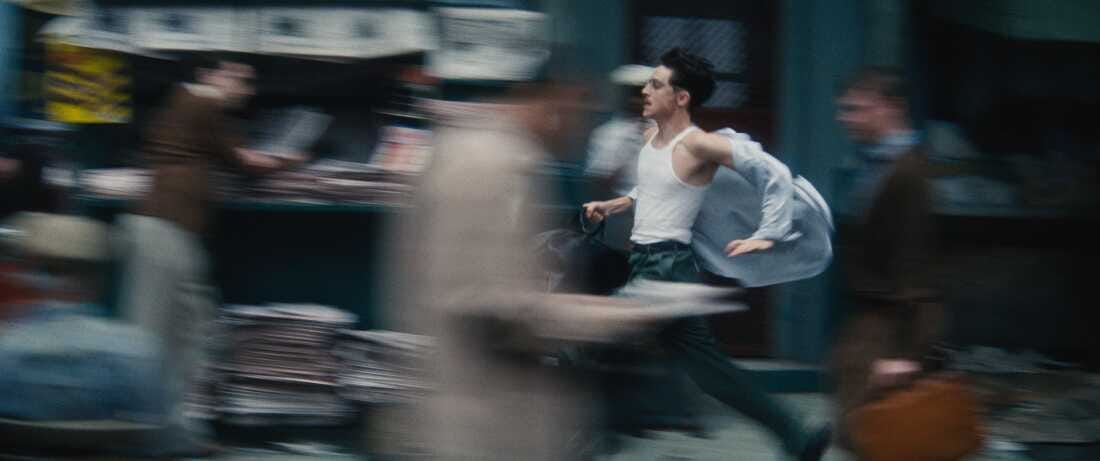
Exit Timothée, Chased by Ballerinas
Last week an Oscar-hungry Timothée Chalamet sparked an online outrage cycle by remarking that “no one cares about” ballet or opera anymore in a sit-down interview with Matthew McConaughey. He realised what he’d done instantly: “damn, I took shots for no reason,” Chalamet quipped, a cheeky grin on his face. And while it’s fair to tut-tut Muad’Dib for being rude and condescending towards his fellow artists, it’s worth considering exactly what he said:
I admire people — and I’ve done it myself — who go on a talk show and go, “hey, we got to keep movie theatres alive. We got to keep this genre alive.” And another part of me feels like if people want to see it — like Barbie, like Oppenheimer — they’re going to go see it and go out of their way to be loud and proud about it. I don’t want to be working in ballet or opera or things where it’s like, “hey, keep this thing alive even though it’s like no one cares about this anymore.”
In his flippant way, Chalamet was nonetheless voicing an anxiety that’s inescapable in filmmaking circles in 2026. Beneath the glitzy veneer of the Oscars, the panic is palpable: jokes about appealing to the terminally online youth, Ted Sarandos’ war against the theatrical experience, and the show’s impending move to YouTube suffused the ceremony. This is an art form in the midst of an existential crisis.
Once upon a time, watching a film and the act of going to a cinema were indistinguishable. The movies were unique; a form of mass entertainment built around an enthusiastic in-person audience. Cinemagoing was not only a big business, but a habit — couples, families and teens turned up to the multiplex week-in and week-out, often without knowing what they were going to see. Independent and arthouse films were also supported by this infrastructure, counter-programming in those same theatres and relying on word-of-mouth to turn a tidy profit.
Today, that system is on the verge of collapse. While individual films like Barbie or Oppenheimer still hit big, overall cinema-going is on the decline: every year we see fewer major releases and higher ticket prices, and despite being marketed at via every sports event, livestream and podcast imaginable, nobody has a clue what movies are coming out when anymore. And so increasing numbers of people opt to stay home, to watch or play something on one of their myriad screens instead.
At the same time, most of the other “content” competing for our attention now looks and sounds a whole lot like a movie. Over the past thirty years, everything from television to video games to advertising has become more “cinematic”, borrowing not just the language and techniques of film — think of all those prestige series described as “10 hour movies”, games composed largely of visually stunning cut-scenes, or big-budget ads loaded with VFX — but also the writers, directors and actors themselves. Straight-to-streaming movies are lavished with big budgets and big stars and treated as indistinguishable from their big-screen counterparts, with little of the derision that greeted direct-to-video or TV releases in the 90s. In a world where you can watch epic battle scenes in Game of Thrones, play as Keanu Reeves in Cyberpunk 2077 or occupy the kids with a twentieth straight viewing of K-Pop Demon Hunters all from the comfort of your living room, what is the unique value of the theatrical experience?

If you ask Nicole, it’s because “heartbreak feels good in a place like this”…
In Christopher Isherwood’s quasi-autobiographical 1945 novel Prater Violet, a novice screenwriter tries to articulate to what makes the medium unique. Film’s beauty, he concludes, is that “it has a certain fixed speed”. Whereas you can choose your own approach to a book or a painting;
When you go into a cinema, it’s different. There’s the film, and you have to look at it as the director wants you to look at it. He makes certain points, one after another, and he allows you a certain number of seconds or minutes to grasp each one. If you miss anything, he won’t repeat himself, and he won’t stop to explain. He can’t. He’s started something, and he has to go through with it. You see, the film is really like a sort of infernal machine…
When we’re a captive audience in a cinema, the filmmaker has an opportunity to focus our attention, create a mood, shape our experience, and to play us (paraphrasing Hitchcock) like an organ. I’m not sure that holds true at home, where we can pause, rewind, look at our devices, or leave it on in the background while doing our chores. Everything from the grade, to the sound, to the pacing plays differently if your outlet is a laptop screen instead of a six-storey IMAX theatre. If you’re Netflix, it’s also a business consideration — that’s why they ask filmmakers to bring the inciting incident earlier, “reiterate the plot three or four times in the dialogue because people are on their phones”, and put the biggest action set-piece in the first five minutes to ensure viewers keep watching beyond the auto-play.
I’m not saying that art made for streaming is inherently creatively compromised, or that watching something on your couch is a lesser experience — but I think it’s a fundamentally different one. Movies as we know them were shaped by technological breakthroughs in the 1890s that allowed an image (and, from the 1920s, sound) captured on celluloid to be projected onto a bright screen in a dark room, from reels that could be mass-produced and distributed across whole continents. Audiences of friends and strangers gathered together on the cheap watch remarkable images strung together by editing, unlike anything they could see on their local stage. This new medium offered complete immersion — and soon settled on an ideal running time of under two hours, to better allow for snacks and bathroom breaks. But we shouldn’t assume that this format, born from a very specific set of limitations and expectation, is a natural fit for an age of televisions, laptops and phones. Should we really be surprised when audiences struggle to pick a movie to steam in the evenings, and instead fall back on short-form dopamine hits, meandering video podcasts, or sprawling TV series?
It’s this fragmentation of both the art form and the audience that strikes terror into the heart of Timothées and studio executives alike. Despite his early status as an indie darling, Chalamet has carved out a rare mainstream career packed with profitable sci-fi epics (Dune), family films (Wonka), prestige bio-pics (A Complete Unknown) and original auteur works (Marty Supreme). These sorts of varied offerings were typical back when Hollywood was at the centre of the monoculture (at least in the english-speaking world), but have now become vanishingly rare. But while Chalamet can probably side-step into TV if audiences migrate away from cinemas, the studios are under pressure from all sides and spiralling. They’re consolidating, diversifying, selling out theatrical to gain a foothold in streaming, getting eaten alive by tech giants, doubling down on “proven IP”, burning more cash on making fewer films whilst shedding jobs and fumbling the ball on AI. There’s a not-unfounded fear that if film does become a niche art form, the whole business model will fall apart.
And that leaves filmmakers, critics and fans on the fringes of the Hollywood system in a double bind — on the one hand, we’re pleading for more - better - ethically made - original films… but on the other, we cross our fingers and hope that these mediocre superhero movies and soulless remakes still make money, because without a string of hits the whole system of production and distribution might just crumble. That’s the devilish deal that underwrites our ‘Infernal Machine’: from the very beginning, a fusion of art and technology that runs on a steady stream of capital. A future without a thriving studio system and a rusted-on mass audience is one where each individual film might have to sink or swim based on the largess of wealthy patrons and availability of government grants, screaming out for attention in an ever-more-crowded media ecosystem. That prospect has left us an industry of Tony Sopranos, lamenting: “it’s good to be in something from the ground floor. And I came too late for that, I know. But lately, I’m getting the feeling that I came in at the end.”

Sad-sack Tony Soprano (James Gandolfini) — big movie fan, and star of the series perhaps most responsible for making television the new home for adult drama.
Then again… government grants? hunting for patrons? self-promotion and financing? That will sound familiar to artists working across most art forms in the world today, from ballet and opera to, well, independent film. In Australian filmmaking circles, ‘niche’ is already our reality, and the gap between our art forms isn’t so wide as film folk might like to believe. No reasonable person enters any artistic field in 2026 with expectations of stardom or riches — the goal is to get by, hone your craft, and try to make good work.
Which is not to say that the perpetual under-resourcing of the arts is an acceptable state of affairs (please Australia, more support for the arts, please), but I suspect that in the long run, we’ll find that film’s place as both a culturally dominant and wildly profitable medium was a 20th century aberration, not a norm we can ever hope to reclaim. Perhaps our “Seventh Art” (if you ask the French) was always fated to cede its place to the Eighth (television), Ninth (comics), Tenth (video games) or whatever form comes next, as we plunge deeper into this erratic century.
All this doesn’t mean cinemas are going to close their doors tomorrow. Even if the pie is shrinking, there’s still a market for original blockbusters (cheers for Sinners and Weapons), and no shortage of diverse talent waiting for an opportunity. And while I’ve largely been writing about cinema culture on the fringes of the Hollywood machine, there are difference forces at play and signs of life in other countries, such as China, Japan and India. It’s also too simplistic to say that the shift away from cinema is generational — the recent explosion in popularity of retro screenings and a cinémathèques, for instance, has been driven by young audiences. But it’s time to stop clinging to film’s old status, and start imagining what else this medium can be. There’s a space for new models of production, for avant-garde and experiemental cinema, for art that champions human craft and ingenuity in a world that’s being flooded by AI slop — but it’s going to take a whole lot of work and imagination.
Rather than assuming Chalamet’s air of cocky superiority, we could learn a little perspective from our peers in the performing arts. English theatre may never again have been as vital as it was in the Elizabethan and Jacobean eras, when new plays by Shakespeare, Marlow and Webster packed in the crowds. Opera hasn’t recaptured the popularity it enjoyed during the Romantic period under Rossini, Verdi and Bizet; nor has ballet blazed as brightly as it did when Diaghilev’s Ballets Russes pirouetted across Paris. But they’re still here. And in the intervening years, each of these arts has had its moments of brilliance and bursts of popular adoration, sustained by dedicated artists who carried the tradition forward and continued to create even when the spotlight was fixed on shiny new attractions. If cinema’s era of preeminence has come to an end, we can only hope it has nearly as rich an afterlife.
Cool Films made by Cool People

A man contemplates his porridge
There’s nothing that gives me more hope for cinema than seeing great films across a whole swathe of genres from talented up and coming artists. Even better in the case of the next five (!) — they’ve been created by and toiled on by colleagues, collaborators and friends. I’m not putting them on my list, because it’s weird to rank your mates’ art, but I promise they’re each worth seeking out.
Bring Her Back is the follow-up to Talk to Me from the brilliant Philippou brothers, another home-grown horror classic from Causeway Films, featuring a magnificent performance by the great Sally Hawkins and career-best cinematography from the wonderful Aaron McLiskey (well, at least until you get to watch Cooee!). Includes both the single most horrific scene and most shocking horror death I saw all year. Available to rent via Apple & Amazon.
Death of an Undertaker is a deranged marvel, an experimental fiction-doco hybrid shot over 8 years in a Leichhardt funeral home by (and starring) the mad and brilliant Christian Byers. A meditation on grief, death, work and purpose that’s infused with the gruff charm of the real-life morticians, and elevated further by Luke Fuller’s superb sound design. Next screening is at the Art Gallery of NSW on 10 May, part of the ‘Harbour City’ series.
The Golden Spurtle is a charming, generous and frequently hilarious documentary about the World Porridge Championships, held annually in Scotland, directed by Constantine Costi, produced by Rebecca Lamond and shot by Dimitri Zaunders. Made by a tiny Aussie team on the cheap, it’s astounding how good this looks and how thrilling it makes competitive porridge-making! A delightful portrait of a community I’d never even dreamt of learning about, and addictive enough that the next day I learnt how to make my own bowl of porridge. Available to rent via Amazon or as one of the inaugural picks in the Letterboxd Video Store (very cool).
Lesbian Space Princess is a gloriously gay animated adventure film by the talented writer/director duo of Leela Varghese and Emma Hough Hobbs. A shameless hour and a half of lesbian jokes and riffs from a phenomenal Aussie voice cast (including Shabana Azeez, Gemma Chua-Tran, Richard Roxburgh and the lads from Aunty Donna), it’s endlessly inventive, inclusive and fun. Available to stream on Netflix or buy in a stunning Blu-Ray set from Umbrella.
And at the tail end of its theatrical run right now is Jimpa, an intergenerational tale of queerness, advocacy and family starring the Olivia Colman, directed by Sophie Hyde and produced by the wonderful Liam Heyen and Cyna Strachan. It’s a warm, searching and powerful piece of work you should definitely try to catch on the big screen while you can! Plus it gifted Aussie cinemas with an all-time great phone etiquette video, in which Colman, districted by a blaring ring-tone, interrupts a take and leans right into the camera to demand we all “turn it off!”
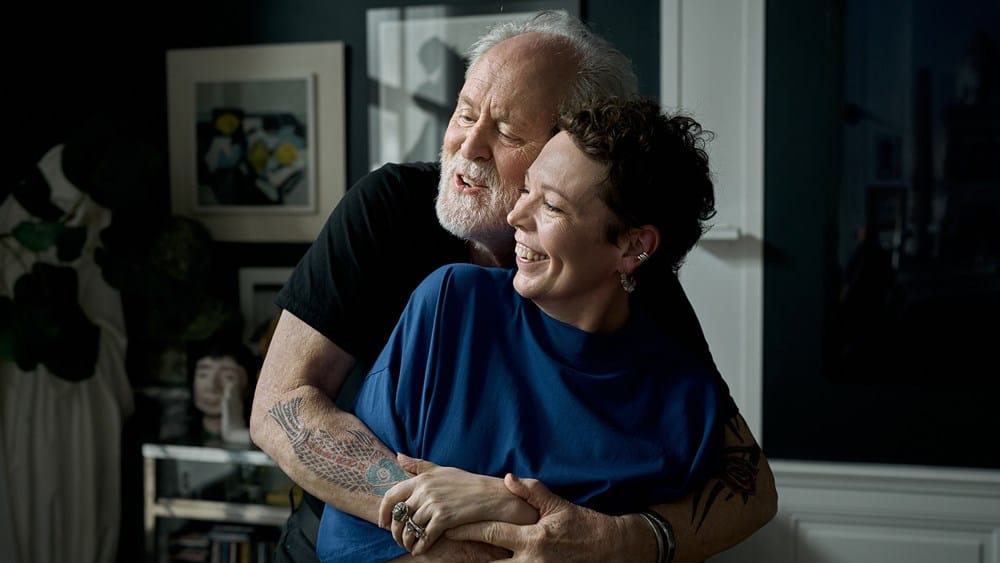
Olivia Colman and John Lithgow in Jimpa.
Best in Show: 2025 Edition
And at last — my top ten! It was a year of ferocious and politically-charged films, grappling with life under oppression (whether that be familial, structural, or just plain ol’ fascism) and the sins of the past, and asking us whether the next generation might just — finally — be able to do better. Must be something in the air…
10. The Secret Agent

Written & Directed by Kleber Mendonça Filho
A clever, incisive and slippery political thriller that playfully toys with your expectations, right down to its title. Who is the mysterious Armando (played with sweaty desperation and righteousness by the dashing Wagner Moura), who turns up in the northern Brazilian city of Recife under a false name, and what is he running from? Kleber Mendonça Filho slowly doles out the answers, but the real delight comes from the ride itself, which veers from the mystical tale of a hairy lost leg, to the escapades of a pair of lazy hitmen, to the marvellous Dona Sebastiana’s housing complex, where a cavalcade of political refugees take shelter and swap stories.
Still in a rare a cinema or two, or available to rent via Apple & Amazon.
9. Marty Supreme
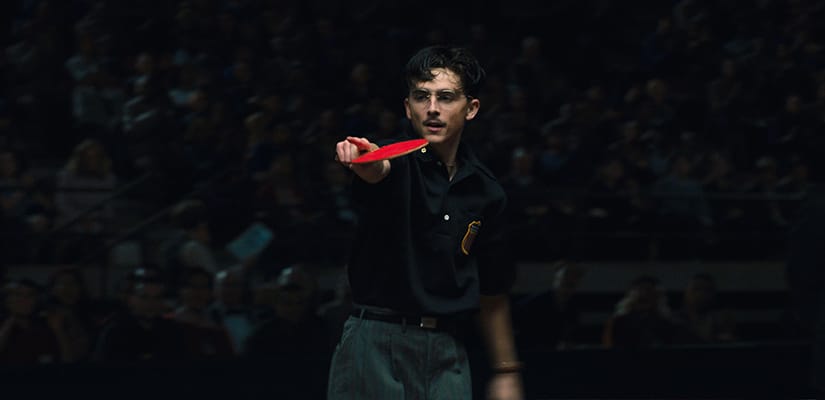
Directed by Josh Safdie. Written by Ronald Bronstein & Josh Safdie.
Look, it’s easy to poke fun at Timmy on the campaign trail, but there’s no arguing with the work. Marty is a classic Safdie hero, an odious man with a quick tongue, a big dream, and a remarkable ability to make a fraught situation go from bad to worse. It’s an epic, and odyssey and a romp that’s less about ping pong than than it is a portrait of an only-in-America huckster and hustler. Beautiful and stressful to watch in equal measure.
Also still in a cinema or two, or available to rent via Apple & Amazon.
8. Sinners

Written & Directed by Ryan Coogler.
Is Sinners a perfect film? Oh no — it’s uneven and messy and frequently bites off more than a blood-sucking genre mash-up could possibly chew. But then, no other film last year delivered more exhilarating filmmaking, particularly those two phenomenal musical sequences: the blues performance that bridges time & space, and the demonic Irish jig. I adored the furious rush of ideas, the unrepentant horniness, and the relentless violence of its convictions. Ryan Coogler, please stop returning Marvel’s calls and keep making bold, original films like this.
Currently streaming on HBO Max, and available to rent via Apple & Amazon.
7. Blue Moon

Directed by Richard Linklater. Written by Robert Kaplow.
Wow, it’s nice to know that someone out there is as obsessed with the scene in Casablanca with the Bulgarian refugees as I am. Bogart’s key line, “nobody ever loved me that much”, is repeated like a mantra by the doomed Lorenz Hart (Ethan Hawke) in this delicious chamber drama, accruing fresh layers of pain and regret. Richard Linklater brings his immaculate hang-out vibes and penchant for real-time storytelling to Kaplow’s superb, zinger-heavy script, but the greatest pleasure comes from seeing Ethan Hawke stretch himself as the fey, needy and self-deluded songwriter. What begins as a fun night out at a Manhattan bar imperceptibly shifts into a slow-moving tragedy, as we watch a man be confronted and gradually crushed by the evidence of his own obsolescence. Plus, it’s packed with stellar supporting turns (Margaret Qualley, Andrew Scott) and literary easter eggs, much like Linklater’s other charming historical jaunt from 2025, Nouvelle Vague. This man is way too productive.
Available to rent via Apple & Amazon.
6. Peter Hujar’s Day
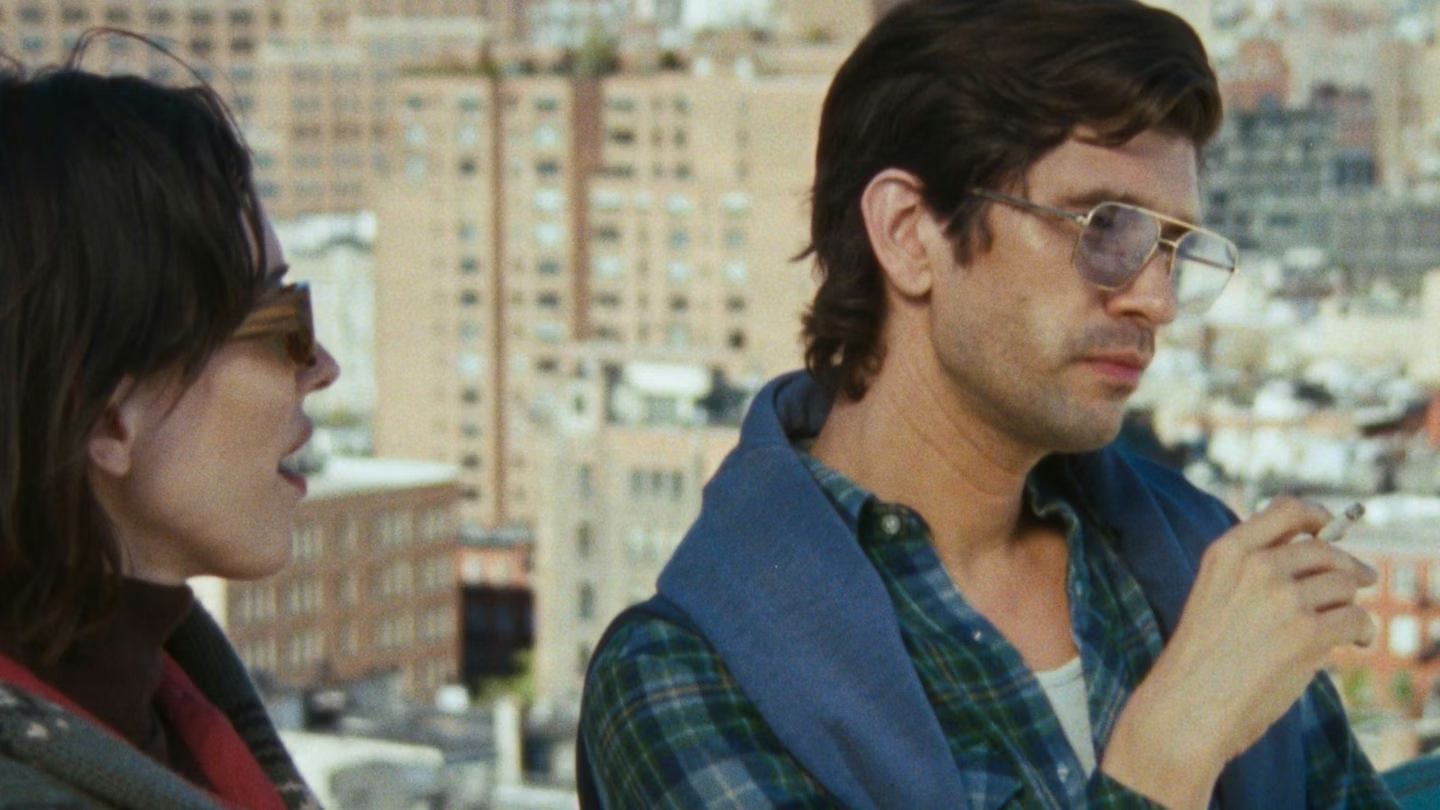
Written & Directed by Ira Sachs. Based on the book by Linda Rosenkrantz.
I am astounded that this exists. It feels almost entirely antithetical to contemporary cinema — a defiantly small film that’s barely even a story, but a portrait, a snapshot in time. It recreates a real, transcribed conversation between photographer Peter Hujar and writer Linda Rosenkrantz in New York, 1974, as she asks him to recount his activities across a single day. And so over 75 sumptuous minutes, we observe the pair move around Hujar’s apartment and talk about his life, and in the process muse about art, relationships, self-perception, attraction… And that’s about it. A marvel. I wish we had a hundred more like it.
Currently streaming on the Criterion Channel.
5. Look Back
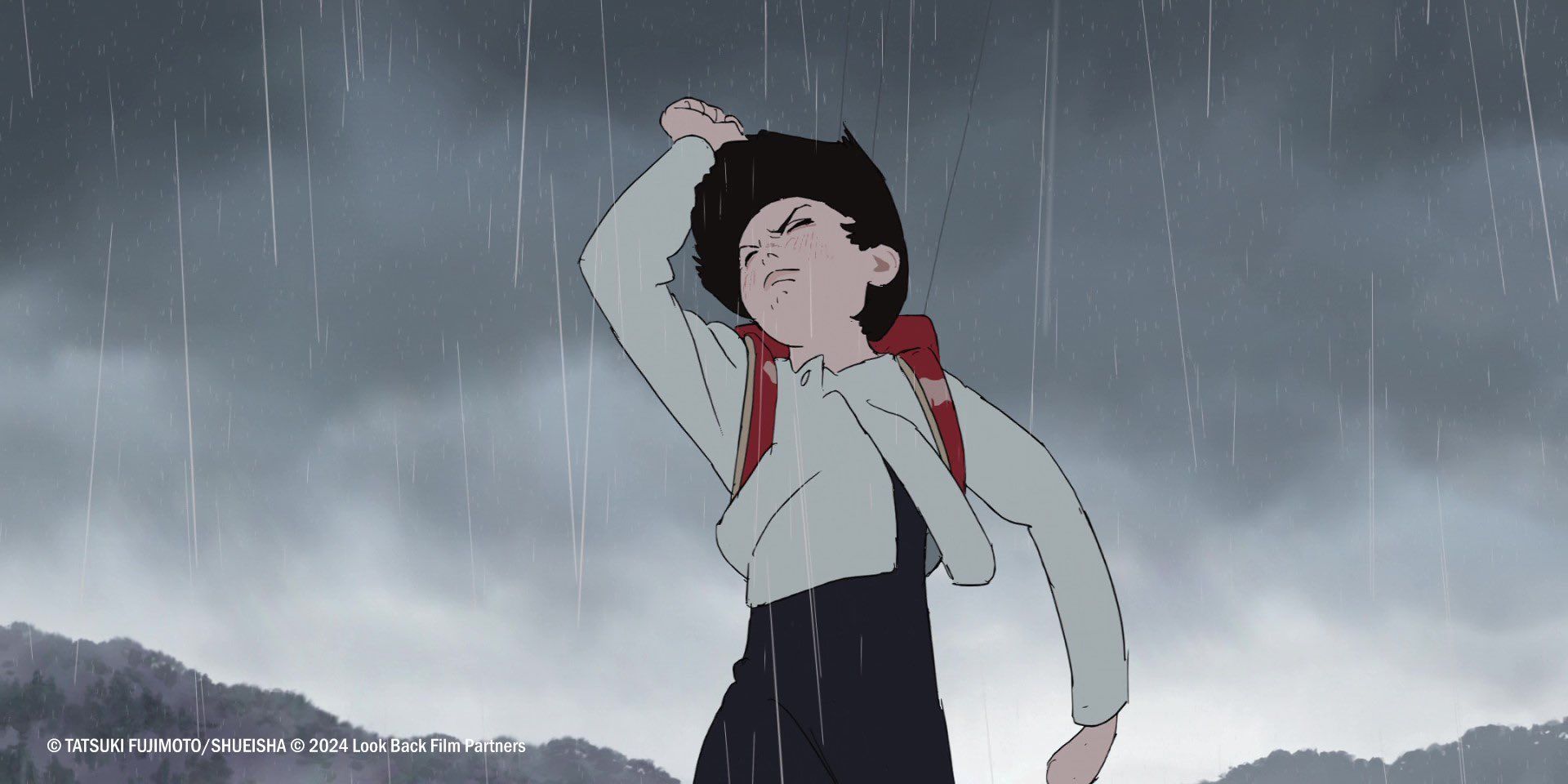
Written & Directed by Kiyotaka Oshiyama, adapted from the manga by Tatsuki Fujimoto.
Creativity is a slippery thing. Aspiring manga artist Fujino begins Look Back as the star cartoonist at her middle school, only to be taken down a peg when young Kyomoto begins contributing even more impressive comics to the paper. But when the two girls finally meet, there’s a spark that’s impossible to pin down. Is it kinship? Attraction? Rivalry? Or perhaps Fujino’s latent realisation that she can dominate her new creative partner? There’s no easy answer; but as Fujino walks home in the rain, we see something has been unlocked. Rather than sheltering from the storm, she blithely charges through, swinging her arms wildly, as if her whole being is trembling with new creative energies. It’s one of the most stunning animated sequences I’ve ever seen. But the all-too-short film that follows trembles with the same uncomfortable honesty, following these two girls as they work and grow together, revelling in the art they create and contemplating whether the source of our inspiration isn’t always the best parts of ourselves.
Currently streaming on Amazon Prime.
4. One Battle After Another

Written & Directed by Paul Thomas Anderson. Based (very loosely) on Vineland by Thomas Pynchon.
Somehow Paul Thomas Anderson, a director who hasn’t set a film in ‘the present’ for over 25 years, has captured the absurdity, madness and cruelty of this terrible moment better than any of his contemporaries, even if the script remains coy about when this tale is actually set (are we in a dystopian future, or just any given American city in 2025 under ICE occupation?). PTA builds an entire universe, populated with indelible characters: sure, there’s Leo at his comic best as strung-out ex-revolutionary, but he can’t hold a candle (or a “little beer”) to Sean Penn’s rooster-walking fascist flunky in too-tight t-shirts, Teanna Taylor’s indomitable warrior, Regina Hall’s hollowed-out survivor, or, above all, Benicio Del Toro’s “Sensei”, a martial-arts teaching, refugee-saving, beer-swigging portrait of goodness incarnate. And my god, I’ve never seen a car chase shot like that before. Magnificent.
Currently streaming on HBO Max, and available to rent via Apple & Amazon.
3. On Becoming a Guinea Fowl
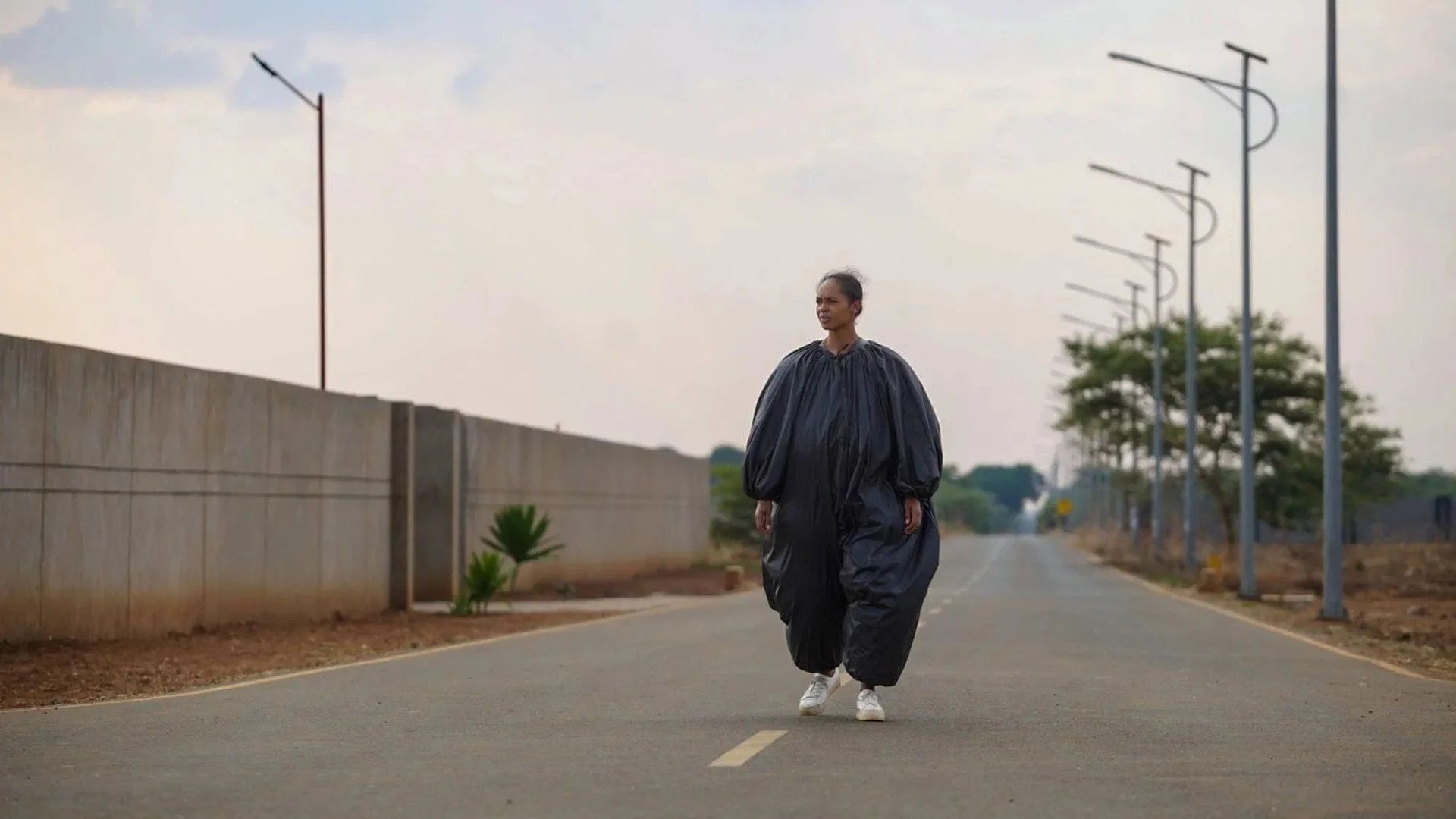
Written & Directed by Rungano Nyoni.
There is a terrible rot at the heart of the middle-class family which gathers to mourn Uncle Fred, found dead in the middle of the road. Shula (Susan Chardy), returning to her hometown in Zambia from the UK, knows what it is. Her cousins and elders know what it is. But no one will to speak it aloud. As the mourning rituals, squabbles and wrangling over the estate begin, the gap between traditions and truth only widens, and Shula searches for a way out of the trap of enforced silence. Painfully immediate with breathtaking flourishes of surrealism, Guinea Fowl is an excoriating look at how abuse is allowed to fester and multiply; how innocent lives are sacrificed in favour of decorum. The ferocious final moment is truly remarkable.
Not available to rent or stream anywhere right now - but keep an eye out, it’s worth it!
2. Weapons

Written & Directed by Zach Cregger.
I had no more invigorating, thrilling, delightful, terrifying and hilarious cinema experience all year — and often all at once! Zach Creggar demonstrates a jaw-dropping command of tone as he deftly juggles the film’s narrative threads (now this is a director who knows how to play his audience like an organ), while teasing the greater evil at work. But the masterstroke is that, while Weapons cheekily feints towards the metaphors that we’re come to expect from ‘elevated horror’ (maybe it’s about grief! trauma! gun violence!), he swerves away at every turn, until he finally unleashes… her. Aunt Gladys (Amy Madigan) is an all-time great creation, absurdly camp and deeply unsettling, a portrait of incredible power and venal desperation all beneath one ridiculous orange wig. Pure satisfying entertainment.
Currently streaming on HBO Max, and available to rent via Apple & Amazon.
1. Sorry, Baby
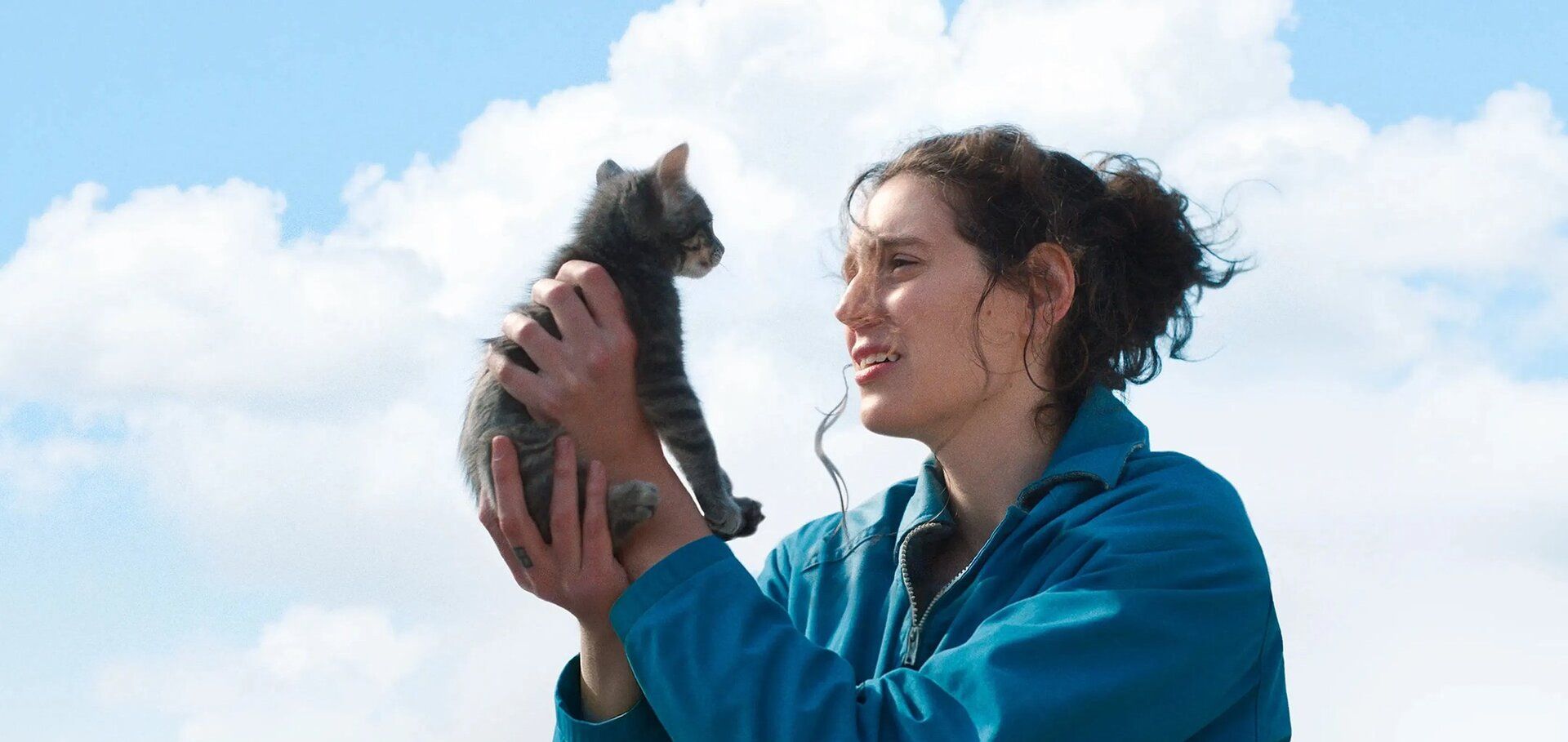
Written & Directed by Eva Victor.
I went back and forth on my top two for a while, but it’s the intimate, heartfelt Sorry Baby that has stuck with me more than any other film from last year. Eva Victor’s directorial debut drops us into five years in the life of Agnes (also Eva Victor) a student-turned-professor in a small university town. In one of those years, Agnes experiences a “bad thing” that shatters her. Out of sequence, we see the before, the after, the absences, and the slow process of rebuilding. The subject matter (as you can guess) maybe be harrowing, but Victor somehow mines a strain of authentic and uproarious humour throughout — in Anges’ easy-going friendships (with Naomi Ackie’s unshakable bestie), a tentative romance (with Lucas Hedges’ dopey and sweet neighbour), and generous interactions with complete strangers (including John Carrol Lynch as a gruff sandwich-maker with a heart of gold). Sorry Baby asks whether it’s possible to keep living in the wreckage of your old life, in the shadow of your former self — and what it takes to find the strength to keep going, day after day. It’s a small film, but an enormous feat. I cannot wait to see what Victor does next.
Available to rent via Apple & Amazon.
And for good measure, I also adored:
28 Years Later (dir. Danny Boyle) and Sirāt (dir. Oliver Laxe), two feverish, pulsating journeys into the heart of darkness that refuse to go where you’d expect.
Die My Love (dir. Lynne Ramsay) and If I Had Legs I’d Kick You (dir. Mary Bronstein) have conviced me that motherhood is the most harrowing experience of all — plus career-best performances by Jennifer Lawrence and Rose Byrne.
Train Dreams (dir. Clint Bentley) a gorgeous, tender and kind portrait of an ordinary life.
Voice of Hind Rajab (dir. Kaouther Ben Hania), an anguished howl from Palestine that fuses original audio recordings and re-enactments and will absolutely wreck you.
Let me know what I’ve missed, and I’d love to hear your favourites or any recent recommendations :-)
Odds & Ends
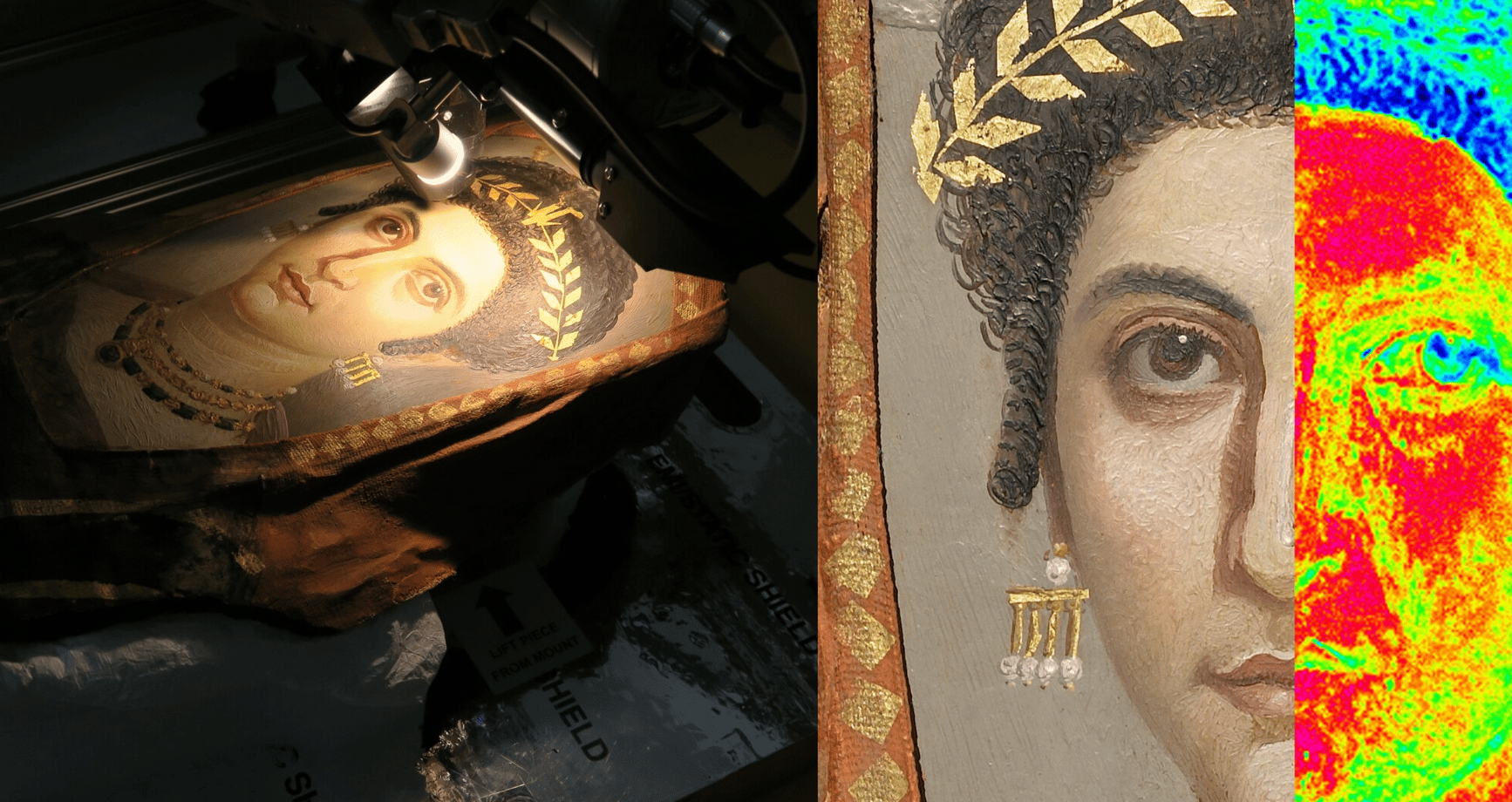
Egyptian Mummy portraits from the Roman Era are some of my all-time favourite works of art, so I was over-the-moon to learn about the APPEAR Project, run through the Getty Museum, that is bringing together portraits (and academics) from museums across the globe to analyse their history, construction and the techniques used. They’ve begun publishing research volumes, free for anyone to read online.
For everyone who’s obsessed with Heated Rivalry (if not, you’re missing out), this piece in the Guardian by Julia Carrie Wong is the most insightful bit of writing I’ve encountered on the show’s appeal to straight women, drawing fascinating links from the (gay) historical fiction of Mary Renault and Marguerite Yourcenar to the thriving romance genre to the crisis of modern masculinity.
Sean Penn might be a self-important grouch who can’t be arsed to show up to collect his Oscar, but when he puts his mind to it he’s capable of saving a man’s life by smuggling him out of a Bolivian prison. A truly insane true story.
And that’s all for this week, thanks for reading! Next time, I’ll be kicking off a conversation about the Brothers Karamazov…
Reply